
recommended post
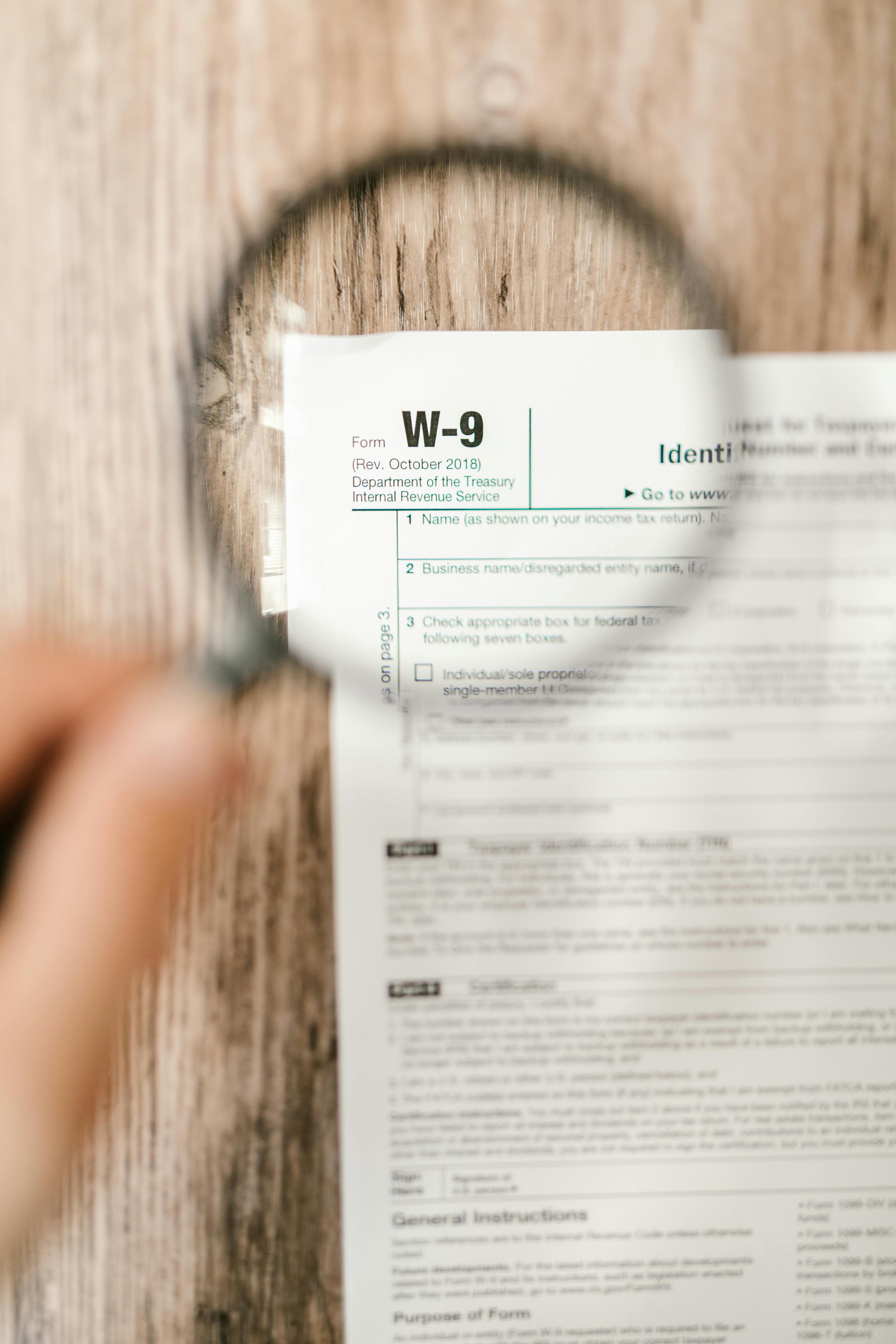


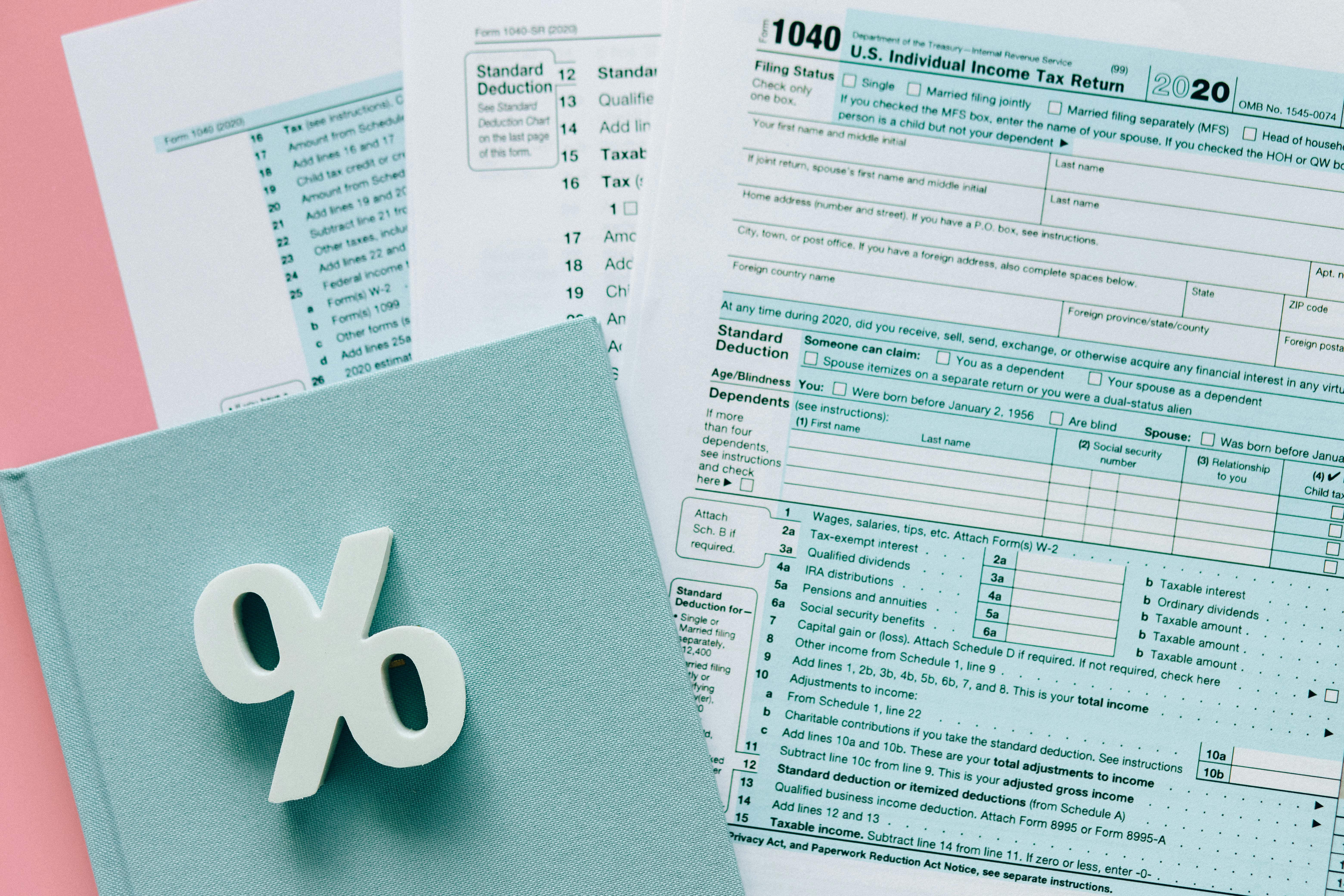

That official envelope with the IRS logo can make anyone's heart skip a beat.
But an IRS notice is often just a request for information or a clarification about a past tax return. Panicking won't help, but a clear plan will.
Step 1: Don't Ignore It
The most important rule: always respond by the deadline stated in the notice. Ignoring an IRS notice can lead to more serious problems, including penalties or a lien against your assets.
Step 2: Read It Carefully
Identify the notice number and the tax year it pertains to. The notice will clearly state the issue, whether it's a discrepancy in income, a calculation error, or a request for a missing form.
Step 3: Compare It to Your Tax Return
Pull out a copy of the tax return mentioned in the notice. Compare the IRS's figures with what you filed. Sometimes, the error is simple and easy to spot.
Step 4: Gather Your Documents
If the notice is about missing income (e.g., a 1099 you forgot), find the relevant document. If it's about a deduction you claimed, gather your receipts and records from that tax year.
Step 5: Prepare Your Response
You'll typically need to write a clear letter explaining your position and include copies (not originals) of your supporting documents. Mail it to the address listed on the notice via certified mail.
When to Get Professional Help
If the notice is complex, involves a large amount of money, or you simply don't understand it, it's time to call an expert. The IRS has a powerful collection arm, and you don't want to go it alone.
Dealing with the IRS is stressful. Let FINVO's IRS Notice Support service take the weight off your shoulders. We'll review your notice, prepare a professional response, and ensure your rights are protected. Contact us the moment you receive a notice.